
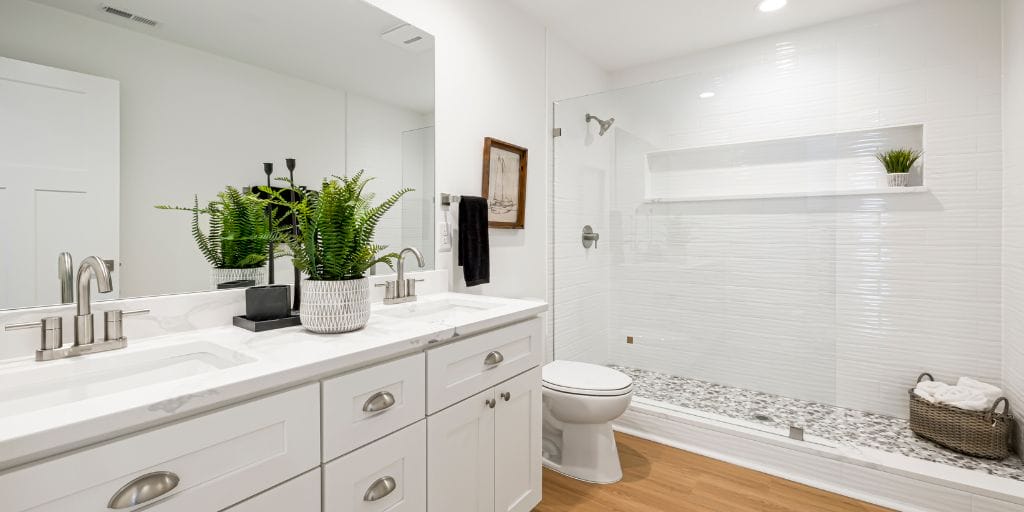
Many homeowners start a bathroom renovation with the idea that it’ll take around a week. After all, bathrooms typically aren’t that big, and it’s just a few fixtures so how long could it really take? But most quality installations actually end up taking closer to 10–12 working days. This gap between expectation and reality catches a lot of people off guard.
Bathrooms are one of the most technically demanding rooms in the home. They bring together plumbing, electrics, tiling, ventilation, and finishing, each of which must be coordinated in a very tight space. Add to that the drying times for materials, safety regulations, and the occasional surprise hidden behind old tiles, and it becomes clear why good work can’t be rushed.
A well-fitted bathroom is an investment. It’s not just about how it looks on day one but how it holds up five, ten, or fifteen years down the line. Taking the time to do it properly makes all the difference.
Why bathroom fitting must be done well, instead of just fast!
Anyone can swap out a suite and retile a bathroom in a few days, but that kind of job rarely stands the test of time. A professional installation takes longer because every stage needs to be done carefully and in the right order.
Adhesives, grout, and sealants need time to cure properly. Plumbing connections must be checked and tested before walls are closed up. Each layer, no matter if it’s tiling, plaster, or paint, relies on the previous one being dry and secure. Skipping these steps or rushing them often leads to problems later on like loose tiles, leaks, poor drainage, or mould. Taking the time to do things properly isn’t an annoying delay, it’s what makes the difference between a bathroom that looks good for a year and one that lasts for decades to come.
What are the stages of a bathroom installation?
A bathroom renovation project typically follows these steps:
Demolition
Taking out the old bathroom can sometimes reveal surprises like leaks or old water damage. Clearing everything properly gives you a clean, solid base to work from.
Plumbing
Whether you’re adding new pipes, moving a toilet, or updating fittings, plumbing is all about precision. It’s important to make sure everything lines up with water pressure, waste lines, and modern standards.
Electrical work
Bathrooms have specific safety rules, so adding lighting, extractor fans, or heated towel rails might mean updating the wiring or adding new circuits. Keep in mind that any electrics that are altered require ‘Part P Certification’.
Tiling
This stage takes patience as every tile needs to be cut, levelled, and grouted carefully. Drying times also can’t be rushed and must be done properly.
Finishing touches
Once the big jobs are done, it’s time for the details like fitting furniture, sealing joints, hanging mirrors, and adding accessories. These are what really bring the space together.
Testing and cleaning
Before the bathroom is handed over, everything gets tested (taps, flushes, drains) to make sure it all works perfectly. Then comes a thorough clean so it’s ready to enjoy!
Bathroom renovations: Older homes vs. New builds
The age of your property can have a big impact on how long a bathroom takes to complete. In older homes, it’s common to uncover hidden issues once the old bathroom comes out. These problems include crumbling plaster, rusted pipework, outdated wiring, or previous DIY fixes that need to be corrected.
These surprises are frustrating in the moment, but they’re also opportunities to put things right. Once corrected, you’ll have a bathroom built to last, not a patchwork of past shortcuts.
The 40% budget gap issue in bathroom renovations
Budget plays a big role in timelines too. Many homeowners start with a figure in mind that doesn’t quite match what’s needed for a professional installation. Industry-wide, there’s often around a 40% gap between what people expect to spend and what a quality finish actually costs.
When funds are tight, projects can slow down. Decisions get delayed, materials might need reordering, or cheaper options can cause knock-on effects later. Even small changes mid-project, like swapping tiles or fixtures, can lead to waiting days for deliveries or rescheduling trades. Being realistic about your budget and having detailed conversations with professionals from the get-go helps keep everything moving smoothly from the start.
How to plan for a realistic bathroom renovation timeline
If you’re preparing for a bathroom renovation, a little planning goes a long way. Here are a few simple ways to stay on track:
- Add a few extra days beyond your fitter’s estimate. It gives some breathing room for unforeseen issues.
- Include contingency time, especially in older properties where surprises are more likely.
- Ask your installer to walk you through their schedule before work begins. Knowing what happens each day will help keep expectations clear.
- Try to order materials early whenever possible to avoid waiting on deliveries.
- Trust the process and remember that if your fitter says something needs time to dry, it’s for good reason.
Final thoughts
Bathroom projects take longer than many people expect, but that extra time is what ensures quality. So, if your installer says the job will take around 10–12 days, that’s a sign of thorough, professional work. When it’s complete, you’ll have a bathroom that not only looks great but performs perfectly for years to come.
Ready to get started on creating your dream bathroom? Talk to our friendly team today. We have over three decades of experience renovating bathrooms and can guide you through the process.